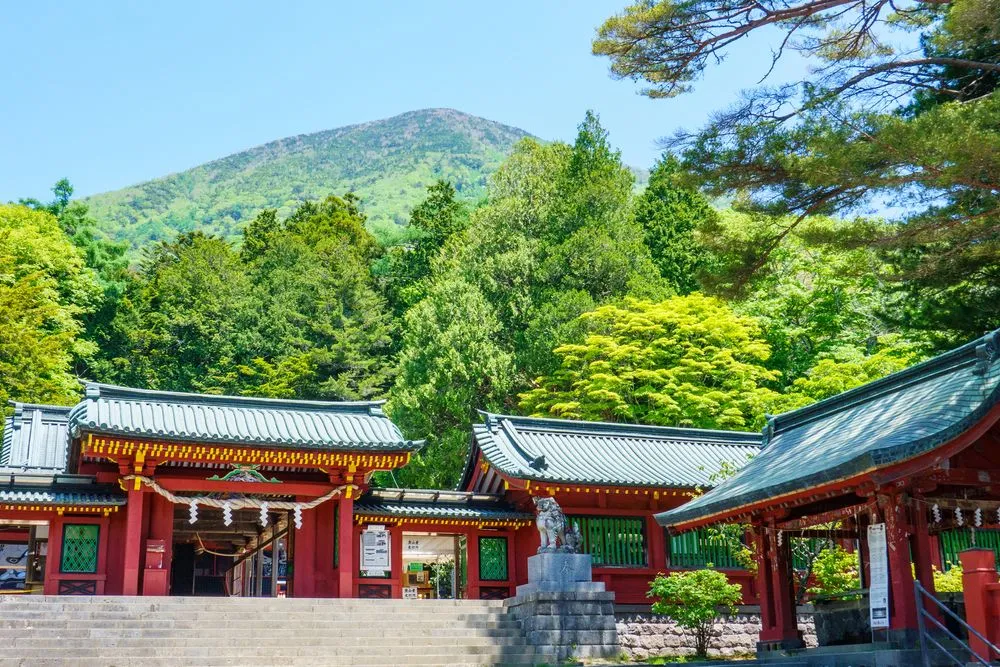
Hidden in the forested mountains of Tochigi Prefecture, Nikko is one of Japan’s most sacred and historically rich destinations. More than just a sightseeing spot, Nikko is a place built with deep spiritual intention, where every staircase, carving, and pathway carries meaning.
For centuries, Nikko has been considered a spiritual gateway between the human world and the realm of the gods. Today, it remains one of the best places in Japan to experience the country’s religious heritage, craftsmanship, and reverence for nature.
The Spiritual Importance of Nikko
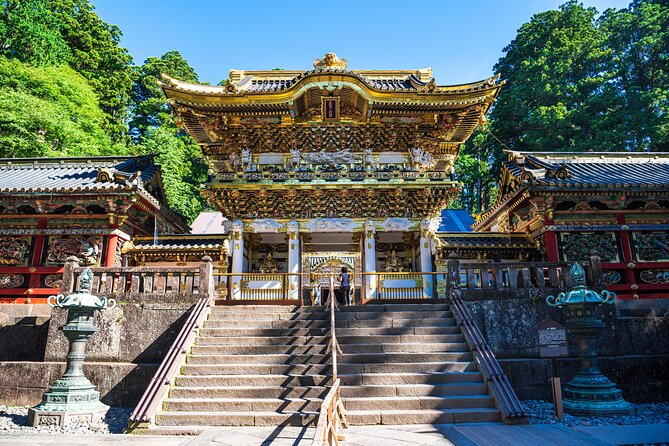
The phrase often associated with the town is “Nikkō wo minakereba kekkō to iu na” — roughly translated as “Never say ‘magnificent’ until you have seen Nikko.” This saying reflects how deeply impressed travelers have been by Nikko for hundreds of years.
Nikko rose to national importance during the Edo period when it was chosen as the final resting place of Tokugawa Ieyasu. By enshrining him here, the Tokugawa Shogunate transformed Nikko into a symbol of political power, divine protection, and national unity.
The shrines and temples are not placed randomly. Their locations, orientations, and even elevation changes were carefully designed to align with spiritual beliefs, mountain worship, and geomancy.
Nikkō Tōshō-gū: More Than Just a Shrine
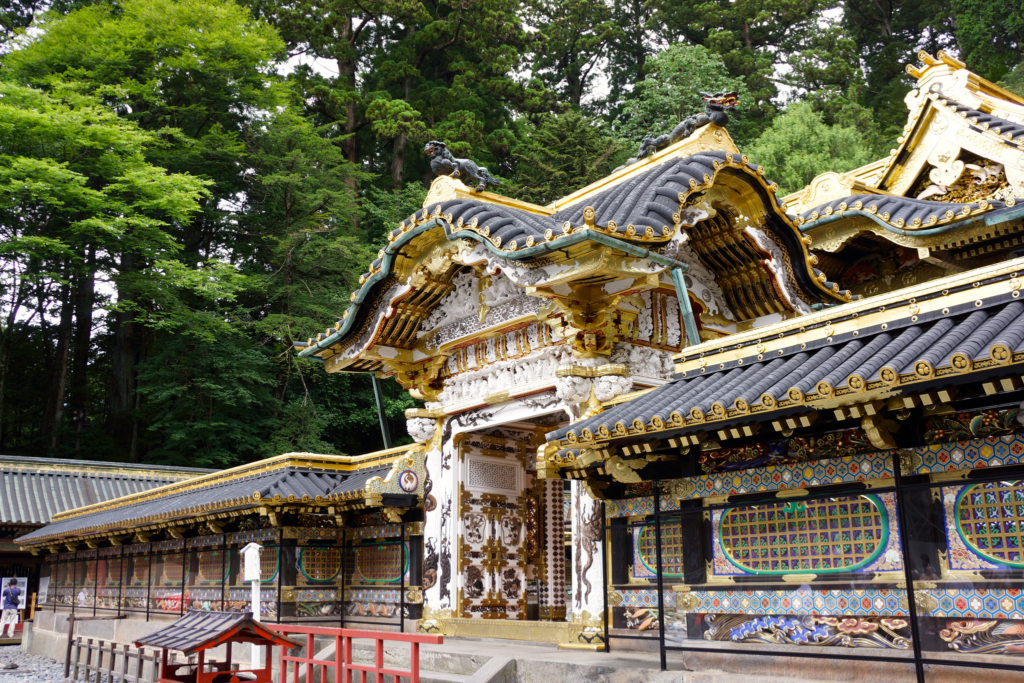
Toshogu is unlike any other shrine in Japan. While most Shinto shrines are deliberately simple, Toshogu is lavish, colorful, and richly decorated. This was intentional. It was meant to reflect the power and authority of Tokugawa Ieyasu as both a political leader and a deified figure.
The Long Staircases and Forest Approach
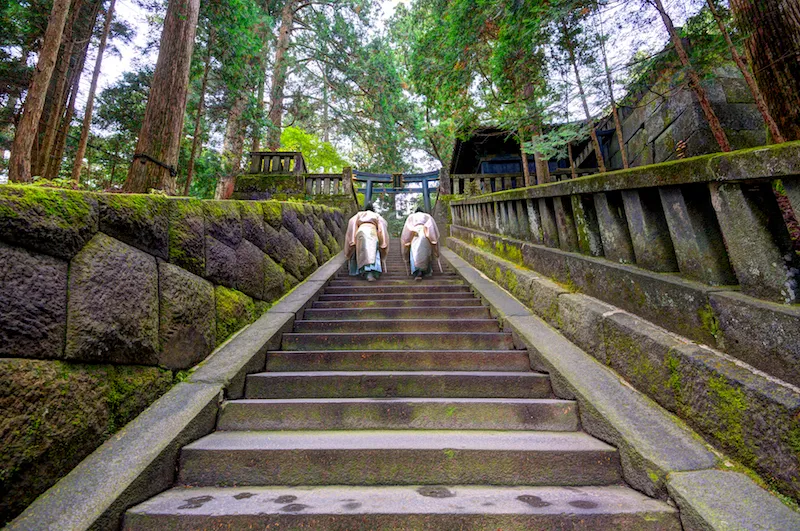
One of the most striking aspects of Toshogu is the approach itself. Visitors must walk up long stone staircases surrounded by towering cedar trees. These stairways are not just practical; they are symbolic.
As you climb higher, the noise of the outside world fades. The gradual ascent is meant to cleanse the mind and body, preparing visitors to enter a sacred space. The physical effort reinforces the feeling that you are leaving the ordinary world behind.
The Famous Sleeping Cat (Nemuri-neko)
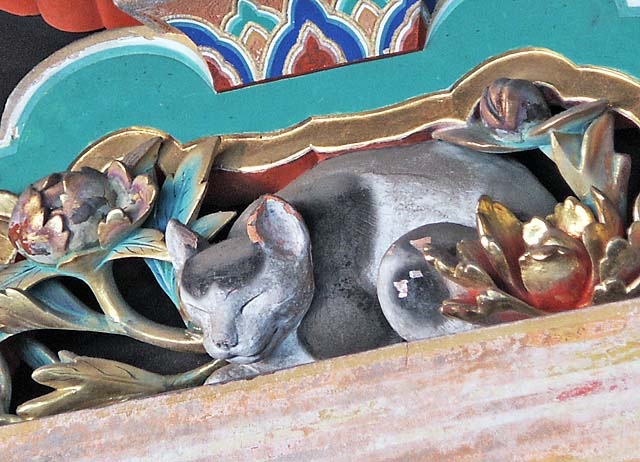
Among the many intricate carvings at Toshogu, one of the most beloved is the Sleeping Cat, known in Japanese as Nemuri-neko.
At first glance, it appears simple: a small white cat sleeping peacefully above a gate. But its meaning is layered. Behind the cat are sparrows, natural prey for cats. The fact that the cat sleeps peacefully while sparrows thrive symbolizes an era of peace and stability under Tokugawa rule.
The carving is also placed at a transitional point between the outer shrine grounds and the inner sacred area. It quietly suggests that harmony and peace must exist before one can approach the most sacred spaces.
Many visitors miss it at first because of its small size, but those who notice it often remember it more vividly than the grand buildings.
The Three Wise Monkeys: Not Just a Cute Image
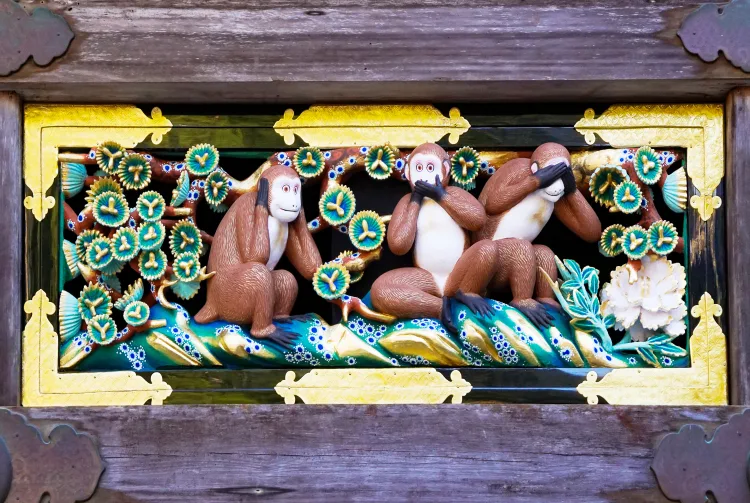
Another iconic feature of Toshogu is the carving of three monkeys representing see no evil, hear no evil, speak no evil. While widely known today, the carving originally had a deeper moral meaning tied to Confucian philosophy and moral education.
The monkeys appear on a stable building, symbolizing the upbringing of children. The message was clear: moral behavior begins in youth. This philosophy aligned with the Tokugawa government’s emphasis on order, discipline, and social harmony.
The Inner Sanctuary and Sacred Atmosphere
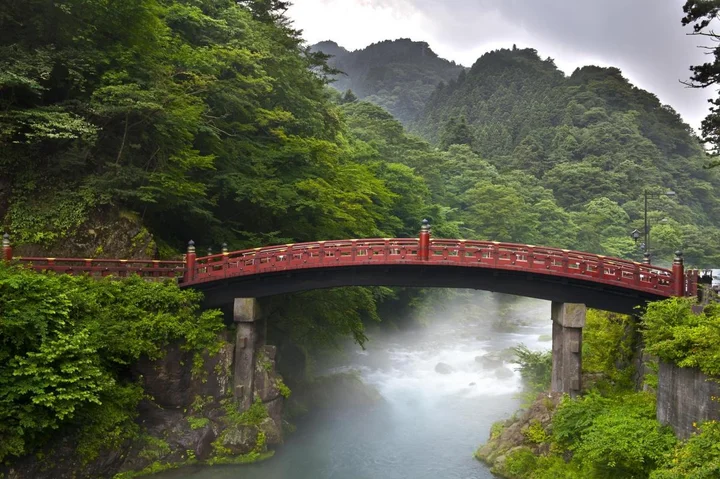
Deeper within Toshogu lies the Inner Shrine area, where Tokugawa Ieyasu is enshrined. This section is noticeably quieter and more restrained. The colors soften, the crowd thins, and the forest feels denser.
Here, the architecture deliberately becomes less extravagant. The message is subtle but powerful: human grandeur fades in the presence of the divine.
Rinno-ji and Futarasan: The Other Pillars of Nikko
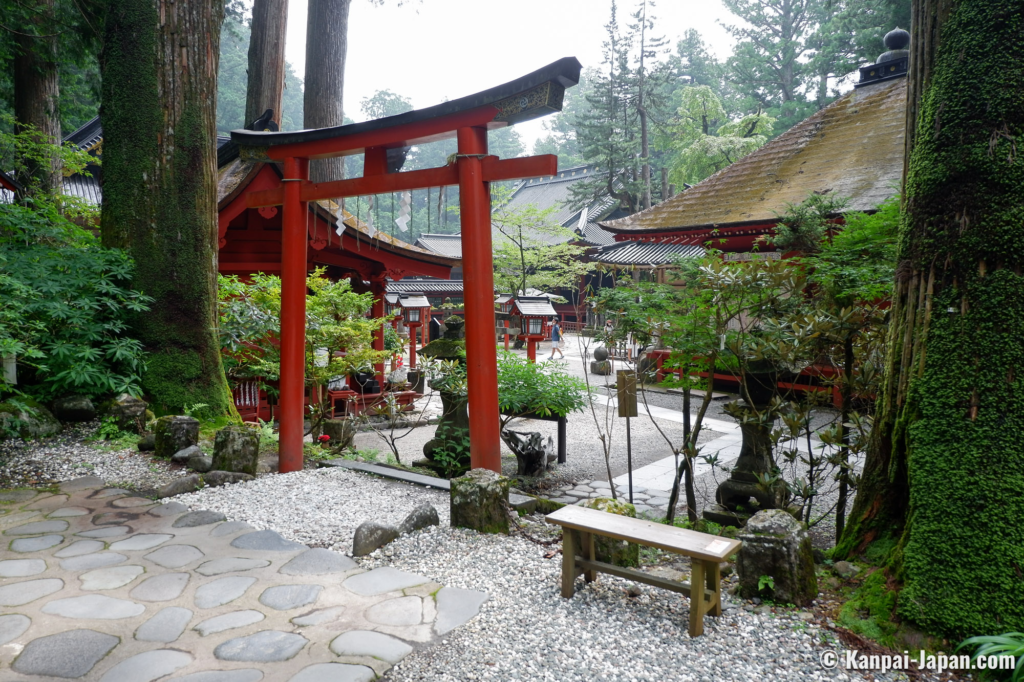
While Toshogu receives most of the attention, Nikko’s spiritual identity is incomplete without Rinno-ji Temple and Futarasan Shrine.
Rinno-ji represents Buddhism’s presence in Nikko, particularly mountain asceticism. Its main hall houses large gold statues that feel solemn and imposing, encouraging silent reflection.
Futarasan Shrine, dedicated to Nikko’s mountains, emphasizes nature worship. It reminds visitors that long before political power arrived, these mountains were already sacred.
Together, these sites represent the blending of Shinto and Buddhism that defined Japanese spirituality for centuries.
Best Time to Visit Nikko
Autumn
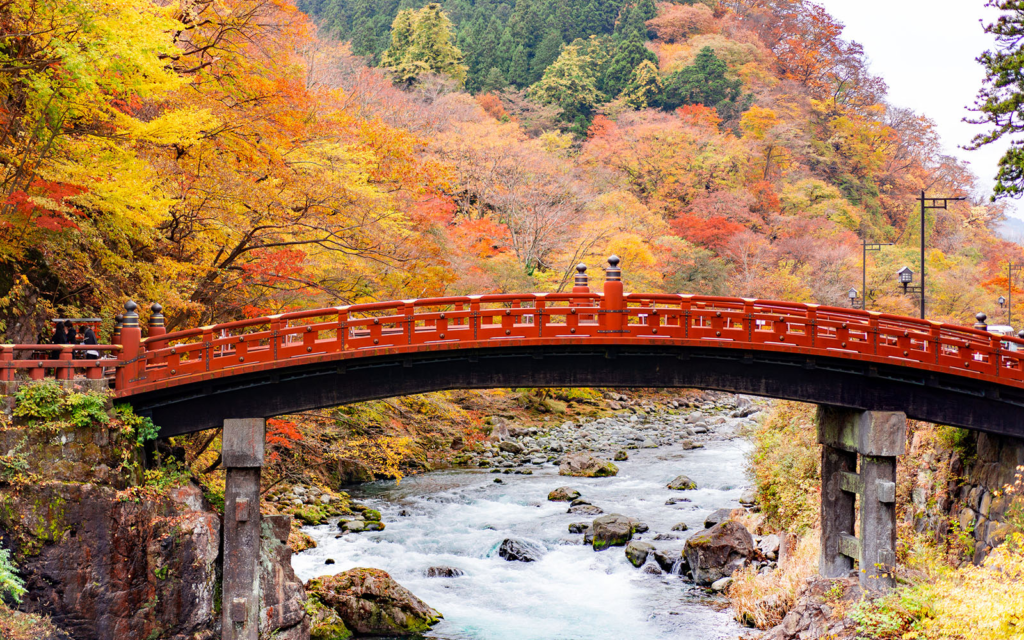
Autumn is the most dramatic season in Nikko. The staircases and shrine roofs are framed by deep red and golden leaves, creating scenery that feels almost unreal. This is peak season, so crowds are unavoidable, but the visuals are worth it.
Spring
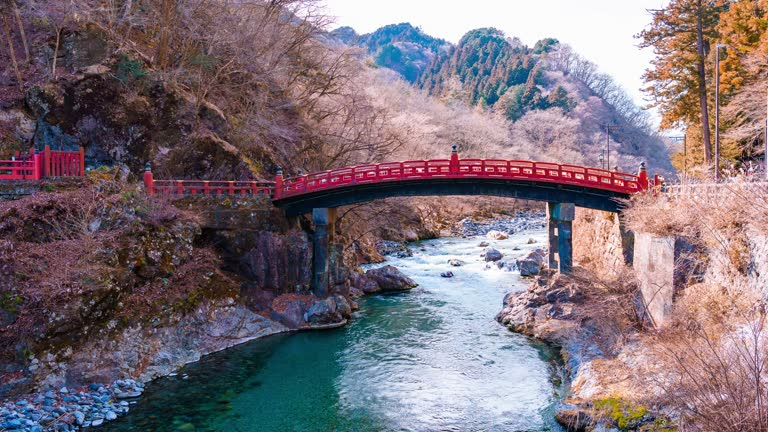
Spring offers cooler temperatures and fresh greenery. While cherry blossoms are not as prominent as in other regions, the atmosphere is calm and refreshing.
Winter
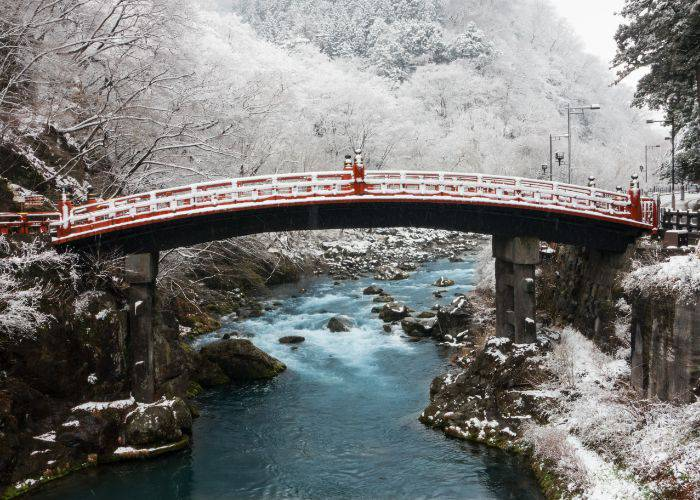
Winter brings silence. Snow lightly covers roofs and stone paths, and the shrines feel more solemn. It is cold, but for those who enjoy quiet exploration, winter reveals Nikko’s spiritual side more clearly.
What Makes Nikko Truly Special
Nikko is not just famous for individual attractions. What makes it special is how everything works together: architecture, nature, symbolism, and silence.
The long staircases slow you down. The carvings tell stories without words. The forests make you lower your voice without being told to. Nikko does not demand attention; it gently pulls you into reflection.
Final Thoughts
Nikko is not a place to rush. It is a place to walk slowly, notice small details, and feel the weight of history around you. Whether it is a sleeping cat carved centuries ago or the quiet climb through cedar trees, Nikko leaves an impression that lasts long after you leave.
For anyone seeking to understand Japan beyond the surface, Nikko is not optional. It is essential.
Discover more from Japan Insider Guide
Subscribe to get the latest posts sent to your email.
