Rain in Japan can mean a quiet temple garden with hydrangeas along the path. It can also mean a cancelled train, a phone full of weather alerts, and an afternoon spent working out whether you should leave your accommodation.
The useful part is knowing which kind of day you are dealing with.
Japan has a rainy season, often described by visitors as monsoon season, and a separate period when typhoons are more likely to affect travel. They overlap on the calendar, but they call for different decisions. A wet June morning might need better shoes and a shorter itinerary. An approaching typhoon might mean moving your travel day or evacuating a building in a flood zone.
Here is what to expect from typhoon season in Japan and the summer rainy season, how to prepare, and which warning signs deserve your attention.
Does Japan have a monsoon season
Yes, Japan’s climate is influenced by the East Asian monsoon. But if you are asking when to expect weeks of damp weather, the term to look for is tsuyu, also called baiu. Both refer to 梅雨, Japan’s early-summer rainy season.
A monsoon is a seasonal wind pattern. Tsuyu is a particular rainy period, associated with a front that can linger near Japan. A typhoon is an individual tropical cyclone. Calling all three “monsoon weather” makes trip planning harder because it hides the difference between an inconvenient shower and a dangerous storm.
The Japan Meteorological Agency’s climate overview explains the seasonal patterns, including the baiu front and the autumn rain front.
For everyday purposes, remember this: rainy-season forecasts help you plan your day; typhoon forecasts and local disaster warnings can determine whether you should travel at all.
When is the rainy season in Japan
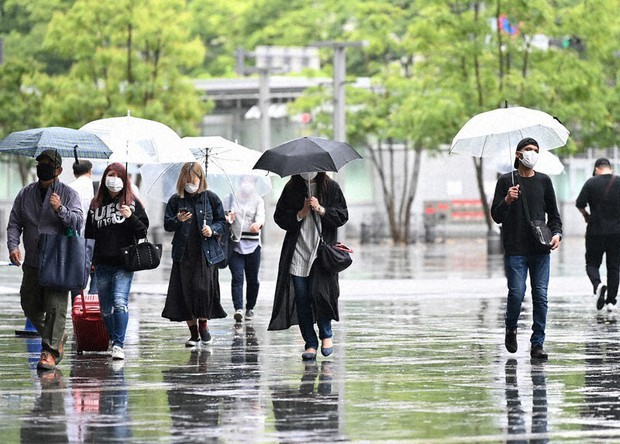
For Tokyo, Kyoto and Osaka, the usual window is early June to around mid-July. Southern islands start earlier, while parts of northern Honshu finish later.
| Area | Usual rainy-season timing |
|---|---|
| Okinawa | Around May 10 to June 21 |
| Southern Kyushu | Around May 30 to July 15 |
| Osaka and Kyoto region | Around June 6 to July 19 |
| Tokyo and Kanto region | Around June 7 to July 19 |
| Northern Tohoku | Around June 15 to July 28 |
| Hokkaido | No officially identified baiu season |
These are JMA’s long-term averages for 1991–2020, not dates to build a non-refundable booking around. The start and end vary each year.
Nor does rainy season mean uninterrupted rain. You may get a grey afternoon, a dry morning, a downpour, and a surprisingly bright day within the same week.
Hokkaido is the usual exception to the baiu pattern. That does not make it rain-free or immune to severe weather; check local forecasts there too.
When is typhoon season in Japan
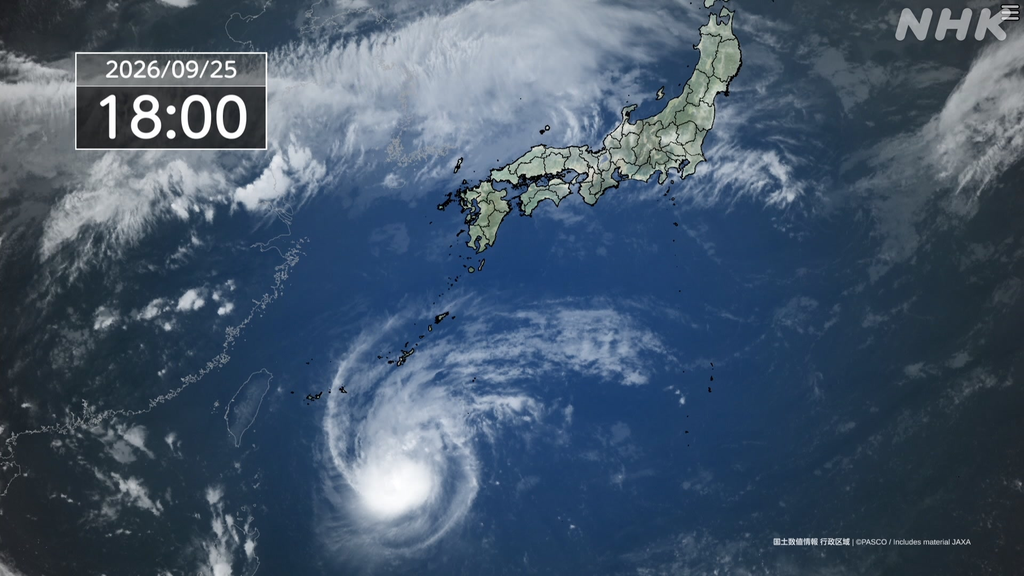
Typhoons can occur outside the months most visitors associate with them. However, July through October is the main period to watch, with August and September especially relevant to late-summer travel.
JMA reports that typhoon formation, approaches to Japan, and landfalls are most frequent from July to October. August has the highest average number of formations. These are historical patterns, not a prediction for your particular holiday.
The official typhoon season explanation also describes how storm tracks change through the year.
Do not assume that Tokyo is protected because a storm first appears near Okinawa, or that your city needs a direct landfall to experience problems. Typhoon moisture can intensify rain along a front far from the storm’s centre, as JMA explains here.
September can also bring akisame, Japan’s autumn rains. A rainy week in September is not necessarily a typhoon, though the two can interact.
Should you avoid visiting Japan during these months
I would plan for flexibility before ruling out an entire season.
If your trip centres on city neighbourhoods, food, museums and a few temples, ordinary rainy-season weather may be manageable. If the highlight is hiking, camping, island hopping or a tight chain of transport connections, weather has much more room to interfere.
The weak point is often the itinerary. Imagine arriving on an island by ferry, needing to leave the next morning, and flying internationally that evening. There is very little room for a cancellation.
My practical recommendation is to leave a buffer before an important flight, particularly when your final destination depends on a ferry or a long journey. Check cancellation terms before paying, and read the weather-disruption section of your insurance policy. Coverage depends on the policy and circumstances.
A forecast showing rain is a reason to adjust your plans. A local warning or evacuation instruction needs a different response.
What to pack for Japan in the rainy season
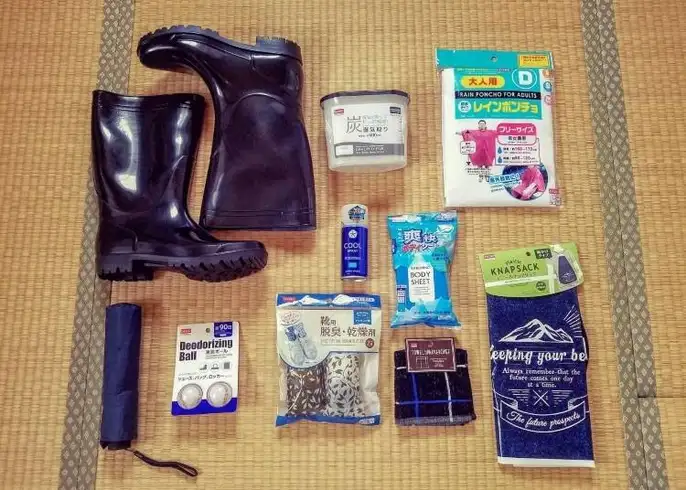
The least glamorous item in your bag may turn out to be the most useful: spare socks.
A compact umbrella works well for ordinary rain. Add shoes with decent grip, clothes that dry reasonably quickly, a small towel and a waterproof pouch for your phone, passport and other essentials. A rain cover for your bag helps, but keep important documents protected inside it too.
A light waterproof jacket is useful when you need your hands free. Heavy waterproof clothing can feel uncomfortable in humid weather, so think about ventilation as well as keeping water out.
Bring a bag for damp clothes. Putting a wet shirt back into a suitcase with everything else is an easy way to make tomorrow unpleasant.
Once you reach your accommodation, give shoes and clothes a chance to dry. For longer stays, consider a second pair of shoes. Wearing the same damp pair every morning quickly stops feeling like a minor inconvenience.
For hot, humid days between showers, our Japanese summer guide covers the other half of the packing problem.
An umbrella is rain gear. When strong winds are forecast, the decision is whether to go out, not which umbrella to buy.
How to enjoy a rainy day without forcing the itinerary
Ordinary rain can suit a slower day. Choose a museum, a covered shopping street, a long lunch, or a neighbourhood where you can duck indoors without travelling across the city.
Keep outdoor plans short enough that you can change your mind. Wet stone steps and sloping paths deserve more care than a pavement outside a station.
June also brings a good reason to visit temple gardens: hydrangeas. Our Kamakura day trip guide includes ideas for that season. Before setting off, check the attraction’s current notices and the return journey.
There is a limit to the “rainy Japan is beautiful” approach. Once severe weather is expected, an indoor attraction across town may still involve an unsafe journey. A quiet day at your accommodation is sometimes the sensible plan.
How to check weather alerts in English
Start with the Japan Meteorological Agency’s multilingual weather page. Check the warnings for your location as well as the typhoon track.
JMA’s Kikikuru risk maps show changing risks from landslides, inundation and flooding. They are useful because a broad regional forecast does not tell you everything about the street or hillside where you are staying.
The Safety tips app, promoted through Japan’s official tourism safety website, provides disaster alerts in multiple languages, including English. Install it and set it up before you need it.
Save your accommodation’s address in Japanese, its telephone number, and a screenshot of the surrounding area. If you lose connectivity or need help explaining your location, those details are much easier to use than a booking email buried in your inbox.
One forecast-map detail is easy to misunderstand: JMA’s white dashed forecast circles show uncertainty about the future position of the storm’s centre. They do not show the storm’s size. The official map explanation makes that distinction clear.
Being outside a forecast circle is not an all-clear for rain or flooding.
What Japan’s warning levels mean
Japan updated its disaster weather information system on May 29, 2026. Information concerning heavy rain, river flooding, landslides and storm surges is now more clearly aligned with five alert levels. Older guides may use different warning names.
The practical actions are:
| Alert level | What you should do |
|---|---|
| Level 1 | Stay aware of forecasts and prepare for possible worsening conditions. |
| Level 2 | Check local hazards, evacuation locations and your route to safety. |
| Level 3 | People who need extra time or help should evacuate dangerous areas. Others should prepare to act. |
| Level 4 | Everyone in dangerous areas should evacuate. |
| Level 5 | Life-threatening conditions exist. Take the safest action available immediately; ordinary evacuation may already be unsafe. |
Do not wait for Level 5.
Weather risk information and municipal evacuation instructions are related but distinct. Read both. JMA advises people to assess their local risk using information such as Kikikuru and river levels, including when an evacuation instruction has not yet been issued.
See JMA’s explanation of the 2026 changes for the current system.
If you are staying at a hotel, ask staff whether the building is in an affected area and what action they recommend. Staying indoors is appropriate only when the building and location are safe.
What to do before a typhoon arrives
The best time to sort things out is while travelling and shopping are still straightforward.
Review your next journey. Check the airline, railway or ferry operator directly. Ask your accommodation about extending your stay if needed. A booking for tomorrow does not guarantee that tomorrow’s service will run.
Charge your phone and power bank. Download essential information, tell a family member where you are, and agree on a simple check-in.
Get food, drinking water and essential medicines. Choose some food you can eat without cooking. If travelling with a child, add their everyday essentials rather than assuming you can buy them at the last minute.
Find out where you would go if you had to leave. Check your municipality’s hazard map and evacuation information. Ask whether the nearest evacuation location is suitable for the particular hazard and currently open.
For residents, preparation also means bringing loose balcony items inside, including plant pots and laundry equipment, and closing windows and shutters. Do this before the weather deteriorates. The government’s preparation guidance stresses early action because outdoor work becomes dangerous in strong wind and rain.
Keep household supplies ready throughout the year. Saitama Prefecture recommends at least three days of food and water, ideally a week, with a water planning figure of about three litres per person per day.
Buy foods your household already uses and replace them as you eat them. That is easier to maintain than a box nobody opens until its contents have expired.
What to watch for during a typhoon or heavy rain
Flooding and rising rivers
Stay away from rivers, drainage channels and flooded roads. Going to check the water level yourself adds risk without helping you make a better decision.
Rain upstream can make a river rise even when the weather directly above you seems less dramatic. JMA describes this danger in its heavy-rain guidance.
Never drive into floodwater. Depth and road conditions can be hard to judge. Tokyo’s police warn that even around 30 centimetres of water can leave a vehicle unable to move; see their flood safety advice.
Avoid basement spaces and underpasses when inundation is a risk. If your evacuation route is already flooded or dangerous, do not blindly follow a map through it. Follow emergency guidance and seek the safest reachable place.
Landslides around hills and mountains
Heavy rain can cause slope failures and debris flows. Pay particular attention if your accommodation sits beside a steep slope or if your plans involve mountain roads.
Do not wait for something visible to happen before taking a landslide warning seriously. Follow local evacuation information.
That scenic hillside ryokan may need more thought about evacuation than a city hotel. Ask about the property’s plan before the worst weather arrives.
Rough seas and storm surges
Stay away from beaches, harbour walls and exposed coastal paths when warnings are in effect.
A storm surge is a rise in sea level associated with a storm’s winds and low pressure, rather than simply a large wave. JMA explains how it happens. Coastal flooding can therefore threaten areas beyond the beach itself.
Watching the waves from close range is a poor trade for a holiday photograph.
Strong wind and a misleading quiet spell
Stay away from windows during violent wind, and follow your accommodation’s instructions. Avoid unnecessary trips outside.
If the weather suddenly becomes calm, keep checking official information. A typhoon’s eye can bring a temporary lull before strong winds return from the opposite direction. JMA’s wind explanation specifically warns that this calm does not mean the storm has passed.
Trains and flights need their own checks
Check both the weather and the operator’s service information. They answer different questions.
A forecast tells you what conditions are expected. The airline or railway tells you whether your particular service is operating. Check ferries, airport access and local connections separately too.
If disruption is announced, contact the operator or booking provider while you still have time to make arrangements. Keep cancellation messages and receipts for any later insurance claim. Refunds, rebooking and reimbursement depend on the booking conditions and applicable policy.
Do not assume a taxi will solve every cancelled train journey. The route still has to be safe.
For a family trip, decide early where you will sleep if you cannot continue. A confirmed room is much more useful than a hopeful plan to sort everything out at the station.
Looking after children and anyone who needs help
Weather preparation gets more complicated when somebody cannot simply put on shoes and leave.
Keep medicines, nappies, feeding supplies and a change of clothes together. Add a familiar snack or small toy for a child. An unexpected wait is easier when a few ordinary routines are still possible.
For older relatives or anyone with mobility needs, work out transport and assistance before warnings escalate. Level 3 is intended to prompt evacuation from dangerous areas for people who need extra time.
Ask accommodation staff about accessible exits and evacuation arrangements. Do not leave that conversation until you are standing in a corridor with luggage and a tired child.
After the storm passes
Check local warnings and service updates before resuming your plans. Clearer skies do not tell you whether a river, road or railway is ready for normal use.
Respect closures and keep away from floodwater, damaged structures and fallen cables. Tell accommodation staff or the relevant authorities about hazards rather than investigating them.
If you need immediate emergency assistance in Japan, call 119 for fire or ambulance or 110 for police. For visitor assistance, the JNTO Japan Visitor Hotline is 050-3816-2787, or +81-50-3816-2787 from an overseas number. It operates around the clock with English, Chinese and Korean support.
Keep those numbers somewhere you can find quickly.
Common questions about typhoons and rainy season in Japan
Is June a bad month to visit Japan
June can work well for a flexible city trip. Expect rainy-season weather across much of Japan, check daily forecasts, and avoid making every day depend on outdoor activities.
Does it rain every day during tsuyu
No. The rainy season can include dry intervals and sunny days. Its long-term dates describe a seasonal pattern, not a promise of daily rain.
Can a typhoon affect Japan without making landfall
Yes. Heavy rain can occur far from the storm’s centre, especially when typhoon moisture feeds a weather front. Follow local warnings rather than judging risk only from the track.
Should I stay in my hotel during a typhoon
Stay in a safe building when local guidance supports it. If the property is in a dangerous area and evacuation is required, follow instructions early. “Stay indoors” is not universal advice for every location.
Is Hokkaido safe from typhoons
Hokkaido does not have an officially identified baiu season, but it can still experience severe rain and storm impacts. It needs the same habit of checking local forecasts.
Japan is still worth exploring in wet weather. Leave enough room in your plans to enjoy an ordinary rainy day, and enough flexibility to stop when conditions become dangerous.
The temple will be there tomorrow. Make sure you can get there safely.
Have a question about planning a Japan trip during rainy or typhoon season? Leave it in the comments.
Weather information and safety resources checked October 1, 2026. Use current official forecasts and local instructions when making decisions.
Discover more from Japan Insider Guide
Subscribe to get the latest posts sent to your email.
