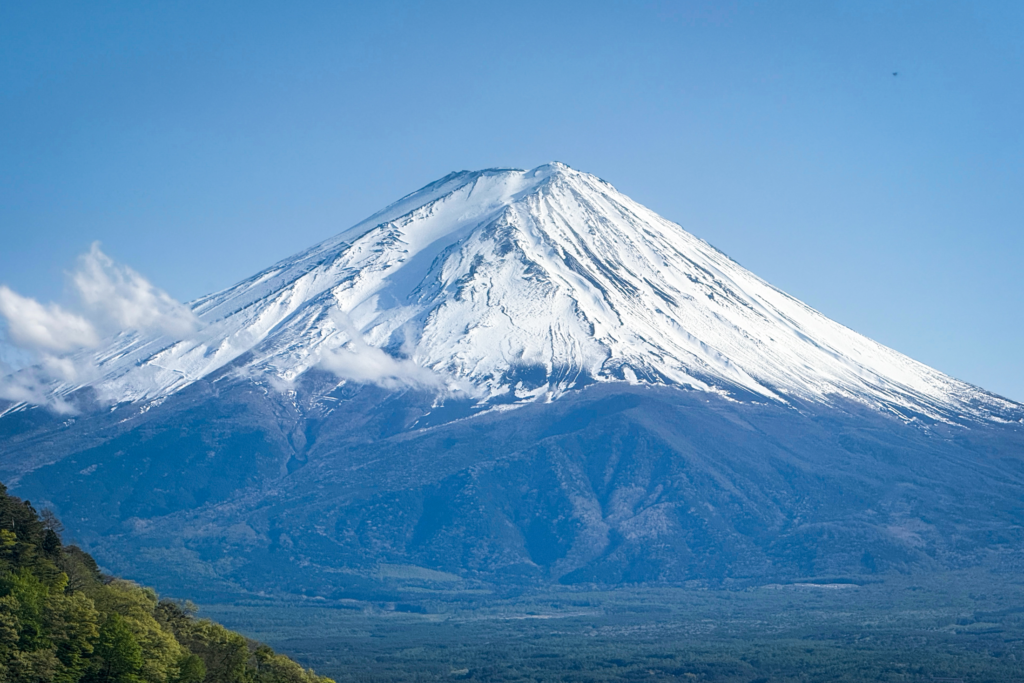
Mt Fuji is the tallest mountain in Japan and one of the most recognisable peaks in the world. Every summer, hundreds of thousands of people from all over the globe make the climb to stand at its summit and watch the sunrise. It is not a technical climb, but it is a long and demanding one, and knowing what to expect beforehand makes an enormous difference. This guide covers everything a first-time climber needs, from choosing the right season to what to pack.
When to climb
Mt Fuji has an official climbing season that runs from early July to early September, with exact dates shifting slightly each year depending on the trail. It is strongly advised to climb only within this window. Outside the season, the mountain huts are closed, the buses stop running, and the weather can turn genuinely dangerous. Many fatalities on Fuji happen in the off-season, usually because climbers went up unprepared with no one around to help.
The Obon holiday period in mid-August is best avoided. This is when the trails are at their most crowded and progress can slow to a near standstill. A weekday earlier in the season tends to offer a far more comfortable experience.
Choosing your trail
There are four main routes to the summit, each with its own character.
The Yoshida Trail is the most popular and the best choice for first-timers. It has the most mountain huts, the most facilities, and it starts from the Fuji Subaru Line 5th Station, which is easily reached from Tokyo.
The Subashiri and Gotemba trails are quieter and more remote. Gotemba is the longest and most difficult of the four, and is not recommended for beginners. The Fujinomiya Trail is the shortest route to the summit but noticeably steeper.
For anyone climbing Fuji for the first time, the Yoshida Trail is the sensible starting point. The more remote routes are better left for a second attempt.
What the climb is like
Climbing Mt Fuji does not require ropes, harnesses, or any technical mountaineering skill. What it does require is stamina. The climb is a long, relentless uphill effort over loose volcanic rock, and the altitude becomes a real factor as you ascend. Headaches, dizziness, and nausea are common signs of altitude sickness, and they can affect even fit climbers.
The single most important piece of advice is to go slowly. Many climbers who race up the early stages find themselves exhausted and unwell higher on the mountain, while those who keep a steady, unhurried pace tend to fare much better. As one common piece of trail wisdom goes, “the slower you climb, the faster you reach the top.”
Most people complete the climb over two days. The typical approach is to ascend to a mountain hut around the seventh or eighth station in the afternoon, rest for a few hours, then set off again in the early hours of the morning to reach the summit in time for sunrise.
Seeing the sunrise
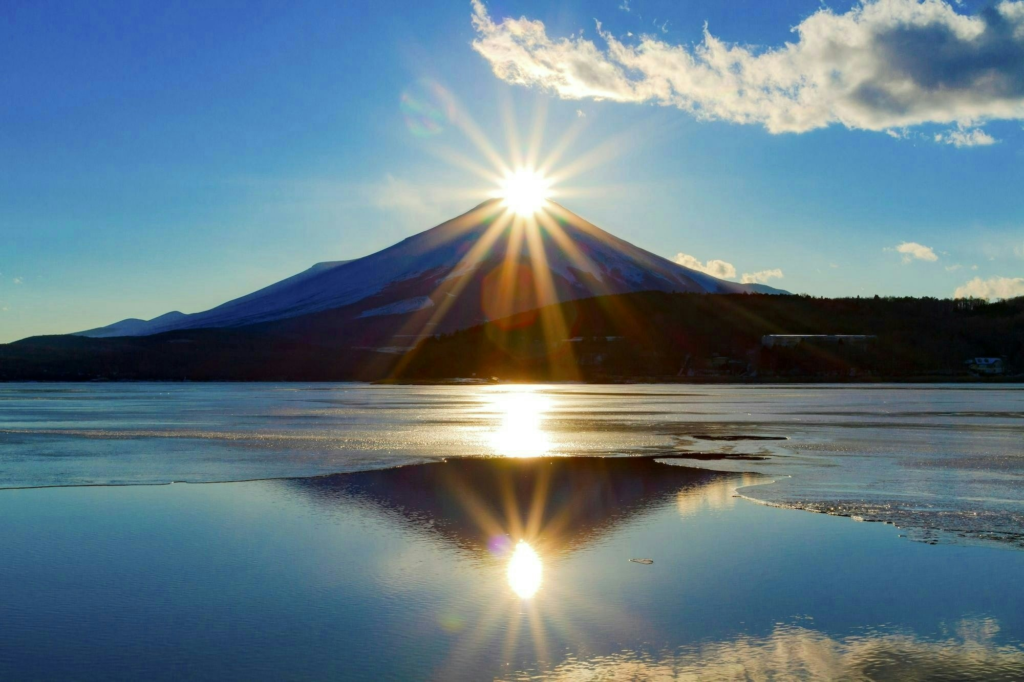
Watching the sun rise from the summit of Mt Fuji is the highlight of the climb for most people. This experience is so central to the tradition that it has its own name. Many people call it goraiko, which refers specifically to the sunrise seen from the mountaintop, and for a great number of climbers it is the entire reason for making the ascent.
The final night climb is done by headlamp, with a slow chain of lights winding up the dark mountainside. It is a memorable sight in itself. It is also extremely cold. Even in the height of summer, the temperature at the summit can drop close to freezing with a strong wind, a stark contrast to the mild conditions at the base. As the sun finally breaks over the sea of clouds below, the sky fills with gold and pink, and the crowd at the top usually falls quiet for a few minutes to take it in.
At the summit there is a crater you can walk around, along with a small post office and a handful of shops. As with everything on the mountain, prices rise with the altitude.
Mountain huts
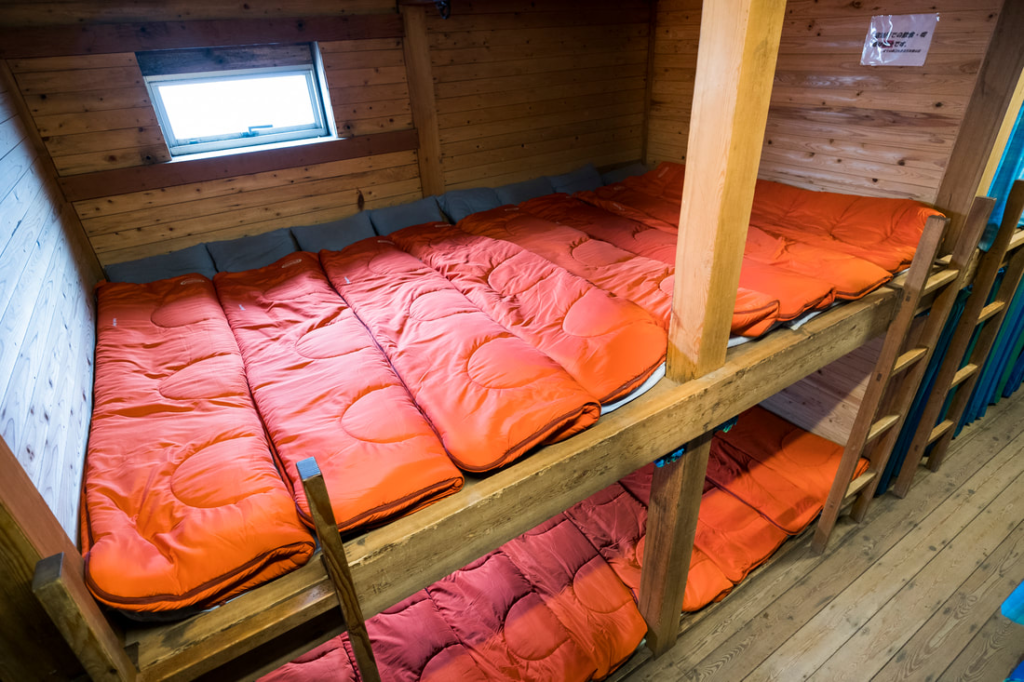
Staying overnight in a mountain hut is strongly recommended over attempting the climb in a single push. The huts are basic, and calling the experience restful would be generous. Climbers sleep shoulder to shoulder on shared platforms and are woken in the middle of the night to begin the final stretch. Even so, the rest they provide is invaluable and greatly reduces the risk of altitude sickness. Huts should be booked well in advance, as they fill up quickly during the season.
What to pack
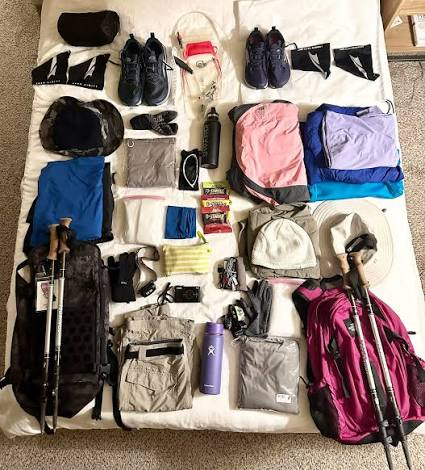
- Proper hiking boots that have already been worn in. Fuji is not the place to break in new boots.
- Warm layers, including a base layer, a fleece, and a windproof and waterproof outer shell.
- Gloves and a hat. The volcanic rock is rough on the hands and the summit is genuinely cold.
- A headlamp rather than a handheld torch, so your hands stay free.
- Cash in 100-yen coins for the toilets, which charge a fee at every station.
- At least two litres of water, with more available to buy along the way.
- High-energy snacks such as chocolate, nuts, and dried fruit.
- Sunscreen and sunglasses, as there is no shade once the sun is up.
- Extra cash for hut fees and food, which are more expensive than you might expect.
Getting there and costs
The easiest way to reach the mountain from Tokyo is by direct bus to the Fuji Subaru Line 5th Station from Shinjuku, a journey of around two and a half hours. Trains to Kawaguchiko with onward buses are another option.
Climbers should be aware of the conservation and entry fees now in place. The Yoshida Trail in particular has introduced a mandatory fee and, in busier years, entry restrictions and timed slots. These rules have been changing regularly, so it is worth checking the current requirements before setting out. Mountain hut stays with meals, along with food and water bought on the mountain, add up quickly, since everything has to be carried up by hand. It is wise to budget generously.
Practical warnings
Spending at least an hour at the 5th station before beginning the climb is a good idea. It already sits at over two thousand metres, and allowing the body time to acclimatise there helps considerably with the altitude higher up.
The descent should not be rushed. Coming down the Yoshida Trail is a long, monotonous zigzag over loose gravel, and it is where most slips and falls occur. Many climbers find the descent harder on their knees than the climb itself, so walking poles are a worthwhile addition.
Finally, keep a close eye on the weather in the days leading up to the climb. Clear conditions make the experience unforgettable, while rain and cloud can turn it into a cold, wet ordeal with no view and no sunrise to reward the effort.
A once-in-a-lifetime climb
There is a well-known Japanese saying that a wise person climbs Fuji once, and only a fool climbs it twice. The joke captures the reality well. The climb is hard and exhausting, yet almost everyone who reaches the summit agrees it was worth it. For anyone considering it, the advice is simple: go, climb slowly, respect the mountain, pack for cold you cannot imagine at the base, and give yourself the reward of that sunrise.
Discover more from Japan Insider Guide
Subscribe to get the latest posts sent to your email.
