Kamakura is the day trip almost every first-time Tokyo visitor hears about — and it deserves the reputation. Less than an hour south of Shinjuku, it packs in the things people travel to Japan for: a giant bronze Buddha sitting in the open air, a bamboo grove you can drink matcha inside, a vintage train line that hugs the coastline, and quiet shrine paths where the cedar smell hits you before the gate does.
But Kamakura also rewards a little planning. The trains are unusual, the famous temples cluster in two completely different parts of town, and the difference between an exhausting day and a magical one usually comes down to which order you do things in.
This is the guide I’d hand a friend who messaged me the night before their trip. It assumes you’re starting in central Tokyo, leaving in the morning, and want to be back for dinner.
Why Kamakura Is Worth a Day
For about 150 years — from 1185 to 1333 — Kamakura was the de facto capital of Japan. The shogunate ran the country from here while the emperor’s court stayed politely irrelevant in Kyoto. That history is the reason a town the size of a suburb has more than 60 Buddhist temples and 20 Shinto shrines crammed into it, including some of the oldest Zen monasteries in Japan.
Today it’s a beach town with a serious cultural weight class. You get the spiritual heavy hitters in the morning, swim views in the afternoon, and trains that feel like Studio Ghibli set design between them. It’s also the easiest “real” historical destination from Tokyo — Nikko is further, Hakone is more about onsen, and Kyoto is a different trip entirely.
If you only have one day outside Tokyo and you want temples-plus-nature-plus-sea, Kamakura is the answer.
When to Go
Kamakura has four genuinely different personalities depending on the month.
Spring (late March – early April) brings cherry blossoms along the approach to Tsurugaoka Hachimangu and at Genjiyama Park. It’s the most crowded season, but the weather is ideal — light jacket, low humidity.
Early summer (June) is hydrangea season, and Kamakura is the place in Kanto for it. Meigetsu-in and Hase-dera both have famous hydrangea paths. Expect lines — at Hase-dera, they hand out numbered timed-entry tickets on weekends, and waits can hit two hours by mid-morning. Go on a weekday, arrive at opening, or skip Hase-dera’s hydrangea path and enjoy the rest of the temple.
Autumn (mid-November to early December) is my personal favorite. Fewer crowds than spring, fiery momiji at Engaku-ji and Hokoku-ji, and crisp enough that walking between temples actually feels good.
Winter (January – February) is the secret season. The temples are quiet, the air is sharp, and you can actually hear the bamboo at Hokoku-ji. Some seaside spots are closed or sleepy, but if you’re temple-focused, this is when locals go.
Avoid weekends in cherry blossom and hydrangea season unless you genuinely enjoy crowds. The narrow approach to Hase-dera and the small Enoden trains both have hard capacity limits, and the wait at Kotoku-in’s ticket window can stretch past 40 minutes on peak Sundays.
How to Get to Kamakura from Tokyo
There are two reasonable routes from central Tokyo, and they suit different starting points.
From Tokyo Station, Shimbashi, or Shinagawa: Take the JR Yokosuka Line direct to Kamakura. From Tokyo Station it’s about 56 minutes; from Shinagawa about 47. No transfers, fully covered by the JR Pass and by Suica/PASMO.
From Shinjuku or Shibuya: The JR Shonan-Shinjuku Line goes direct to Kamakura in about an hour. Not every train on this line goes to Kamakura — make sure the destination shows “Zushi” (the line continues there after Kamakura). The Yokosuka and Shonan-Shinjuku lines share the same platform at Kamakura, so the return trip is straightforward.
Cost: Around ¥940 one way from Tokyo Station as of 2026. Just tap your Suica or PASMO at the gate — no reservations needed for these local trains.
A note that catches a lot of people out: there is no shinkansen to Kamakura, and you don’t need one. The local trains are perfectly comfortable, run every 10–15 minutes, and you’d lose time transferring even if a bullet train existed.
The Enoden — the train you actually came for
Once you arrive at Kamakura Station, the small private line you’ll use to get around is the Enoden (江ノ電 / Enoshima Electric Railway). It’s a single-track tram-train that runs from Kamakura along the coast to Fujisawa, passing Hase (for the Great Buddha) and Enoshima along the way.
Get a Noriorikun (のりおりくん) one-day pass for ¥800 if you plan to make more than two Enoden stops — it pays for itself quickly and lets you hop on and off. Buy it at the Enoden gate inside Kamakura Station, separate from the JR gates.
The Enoden is part of the experience, not just transport. The stretch between Kamakurakokomae and Inamuragasaki runs right next to the beach, with Enoshima island in the distance and, on clear winter days, Mt. Fuji on the horizon. Sit on the right side heading toward Fujisawa.
The Ideal One-Day Itinerary
Here’s the order that works. It front-loads the temples while you have energy and the light is good, then winds down toward the coast in the afternoon.
8:30 AM — Arrive at Kita-Kamakura (北鎌倉)
Don’t get off at Kamakura Station — get off one stop earlier at Kita-Kamakura. This is where the major Zen temples sit, and starting here means you walk toward the busy part of town instead of fighting back uphill later.
8:45 AM — Engaku-ji (円覚寺)
Two minutes from the station. Engaku-ji is one of the five great Zen temples of Kamakura, founded in 1282 to honor those who died defending Japan from the Mongol invasions. Climb up to the Shariden (a National Treasure, visible from outside even when closed) and the bell tower at the top of the hill — the view back over the temple roofs through the trees is one of those quiet moments Kamakura specializes in.
Entry: ¥500. Allow 45 minutes.
9:45 AM — Walk to Kencho-ji (建長寺)
About 15 minutes on foot, passing Tokei-ji (the “divorce temple” where Edo-era women could escape unhappy marriages — worth a brief stop if you have time) and Meigetsu-in (the hydrangea temple, only worth the detour in June).
Kencho-ji is Japan’s oldest Zen training monastery, founded in 1253. The cedars lining the entrance path are stunning — some are over 750 years old. Walk all the way to the back and climb the stone steps up to Hansobo, the mountain shrine guarded by tengu statues. From there, a hiking trail (the Tenen Course) heads up into the hills, but for a one-day trip just enjoy the viewpoint and come back down.
Entry: ¥500. Allow an hour, plus the climb if you do it.
11:00 AM — Walk down to Tsurugaoka Hachimangu (鶴岡八幡宮)
About 20 minutes downhill along the main road. This is Kamakura’s most important Shinto shrine, dedicated to Hachiman, the god of war and patron of the Minamoto clan. The wide vermilion approach (Wakamiya Oji) is one of the great processional streets in Japan.
The main hall sits at the top of a broad stone staircase. The view back down toward the sea is the postcard shot of Kamakura, and it’s free.
Entry: free. Allow 30–40 minutes.
12:00 PM — Lunch on Komachi-dori (小町通り)
The shrine’s exit drops you near Komachi-dori, Kamakura’s main pedestrian shopping street. It’s touristy but genuinely fun — purple sweet potato ice cream, fresh shirasu (whitebait) rice bowls, senbei freshly grilled over charcoal, and dozens of small craft shops.
For a proper sit-down lunch try Kamakura Matsubara-an for soba in a converted old house, or Kaisen Misakiko for a chirashi bowl. If you want a Japanese-style café stop, Iwata Coffee has been doing thick fluffy pancakes since the 1940s and the line moves faster than it looks.
1:30 PM — Hokoku-ji (報国寺), the bamboo temple
This one is slightly out of the way, and that’s exactly why I’m putting it in your itinerary. Take a bus from Kamakura Station (Keikyu bus #5, about 10 minutes) to Jomyoji stop, then a 3-minute walk.
Hokoku-ji has a grove of about 2,000 moso bamboo behind the main hall, with a small tea house tucked into the back where you can drink matcha and eat a sweet while looking out at the bamboo. It costs ¥400 for entry plus ¥600 for the matcha, and it’s the single most photographed place in Kamakura for a reason.
Allow 45 minutes including the tea.
2:45 PM — Back to Kamakura, then Enoden to Hase
Bus back to Kamakura Station, then transfer to the Enoden. Hase is the fourth stop, about 5 minutes.
3:00 PM — Hase-dera (長谷寺)
A 5-minute walk from Hase Station. Hase-dera is built into a hillside and packs a lot into a small footprint: a massive wooden Kannon statue (over 9 meters tall, gilded), a viewing terrace with a panorama over Sagami Bay, hundreds of tiny Jizo statues for departed children, and a small cave you can crawl through if you’re not claustrophobic.
If you’re here in June, the hydrangea path on the hillside is the main event. Otherwise the view terrace is what you came for. Grab a sweet at the on-site café and watch hawks circle over the bay.
Entry: ¥400. Allow 45 minutes.
4:00 PM — The Great Buddha at Kotoku-in (高徳院)
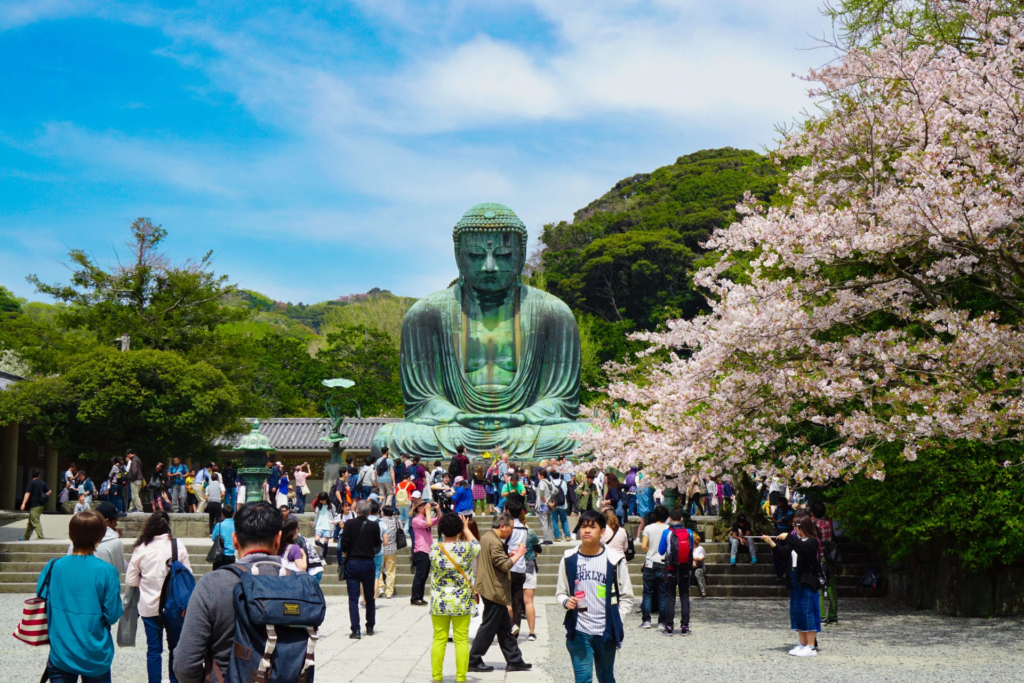
A 10-minute walk from Hase-dera, on the same street. The Daibutsu is the reason most people come to Kamakura. Cast in bronze in 1252, it’s about 11.4 meters tall (13.35m with the base) and weighs around 121 tons. It used to sit inside a wooden hall, but tsunami in 1369 and 1498 destroyed the buildings, and the Buddha has been sitting in the open air ever since. It is, somehow, even more impressive for it.
For ¥50 extra you can go inside the statue — it’s hollow. There’s not much to see in there, but it’s the kind of thing you’ll mention for years.
Entry: ¥300. Allow 30 minutes.
4:45 PM — Enoden to the beach
Back to Hase Station, hop on the Enoden toward Fujisawa, and get off at Kamakurakokomae (鎌倉高校前). This is the station from the Slam Dunk anime opening, and on weekends you’ll see fans posing at the famous railroad crossing. Even if you don’t know the show, the view is genuinely beautiful — the level crossing with the sea behind it, and the small Enoden train trundling through.
Walk five minutes down to the beach. In late afternoon the light over Sagami Bay is gorgeous, and on clear days Mt. Fuji is silhouetted across the water.
6:00 PM — Sunset and head back
If you’re hungry, Yuigahama (one Enoden stop closer to Kamakura) has casual seafood places along the beach road. For something nicer, ride the Enoden one stop further to Inamuragasaki — the cliff park there is the best sunset spot in Kamakura, with Fuji-and-Enoshima views that are postcard-perfect on clear winter evenings.
From any Enoden station, return to Kamakura Station and take the JR line back to Tokyo. You’ll be at Tokyo Station by around 7:30 PM, Shinjuku by 7:45.
Skip-This-If-You-Have-To List
If you’re running short on time, here’s how I’d cut the day:
- Drop Engaku-ji if you arrive after 10 AM. Kencho-ji is the better single Zen-temple stop.
- Drop Hase-dera if you’re not here in June and the Great Buddha is your priority. They’re close, but together they make Hase a 90-minute stop.
- Don’t drop Hokoku-ji. People always want to, because it’s the most “out of the way” stop. It’s also the one most people tell me afterward was their favorite.
What to Eat in Kamakura
A few foods worth knowing about:
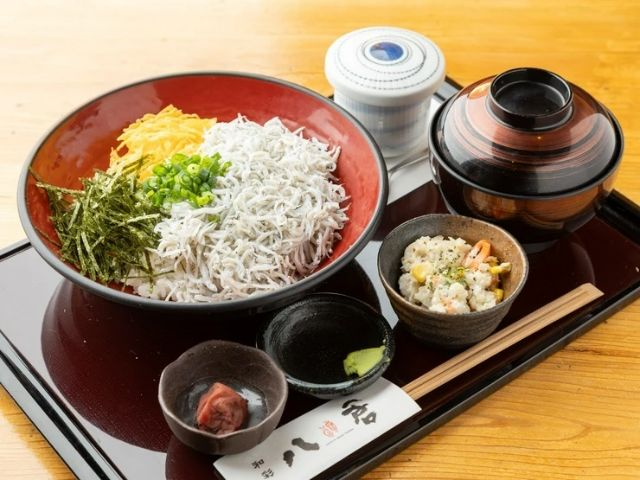
Shirasu (しらす) are tiny whitebait, eaten either raw (nama-shirasu, only available when conditions allow) or boiled (kama-age shirasu). Both come piled on rice. Shirasu-don at any seaside spot is the local specialty — try Koshigoe Shokudo near Koshigoe Station if you want the genuine fisherman’s-port version.
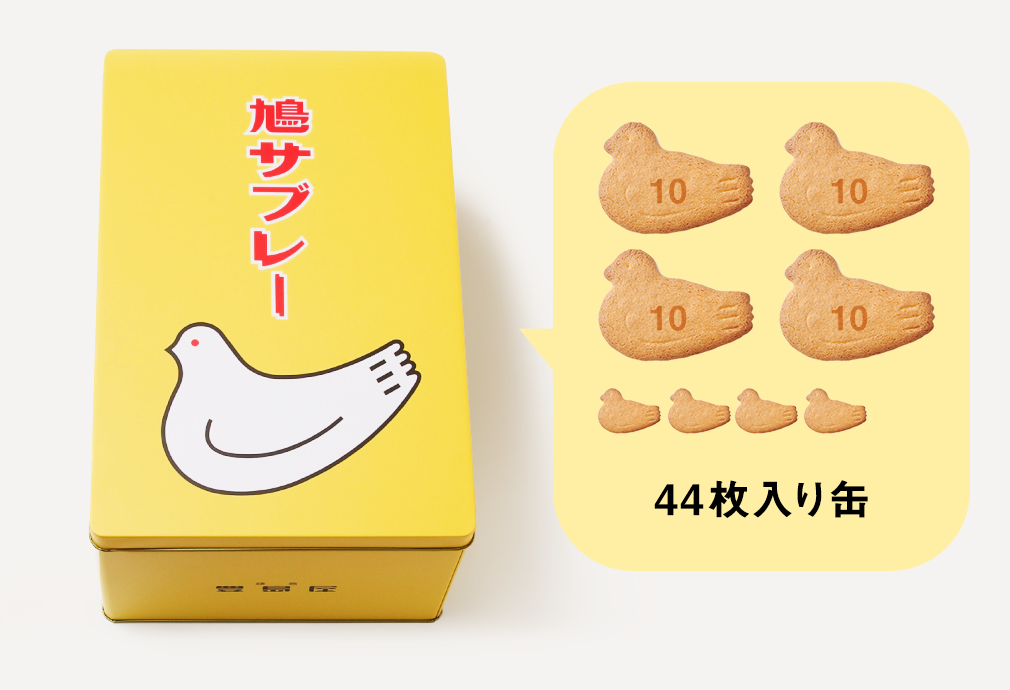
Hato Sabure (鳩サブレー) are dove-shaped butter cookies that have been Kamakura’s signature souvenir since 1894. The flagship Toshimaya store on Wakamiya Oji has a small gallery. The cookies are simple and excellent.
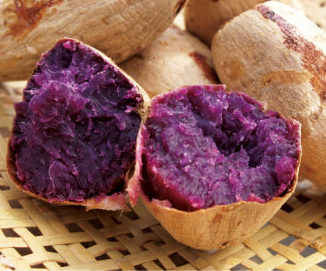
Murasaki-imo (purple sweet potato) soft-serve is everywhere on Komachi-dori. The good ones use Kagoshima purple yam and aren’t overly sweet.
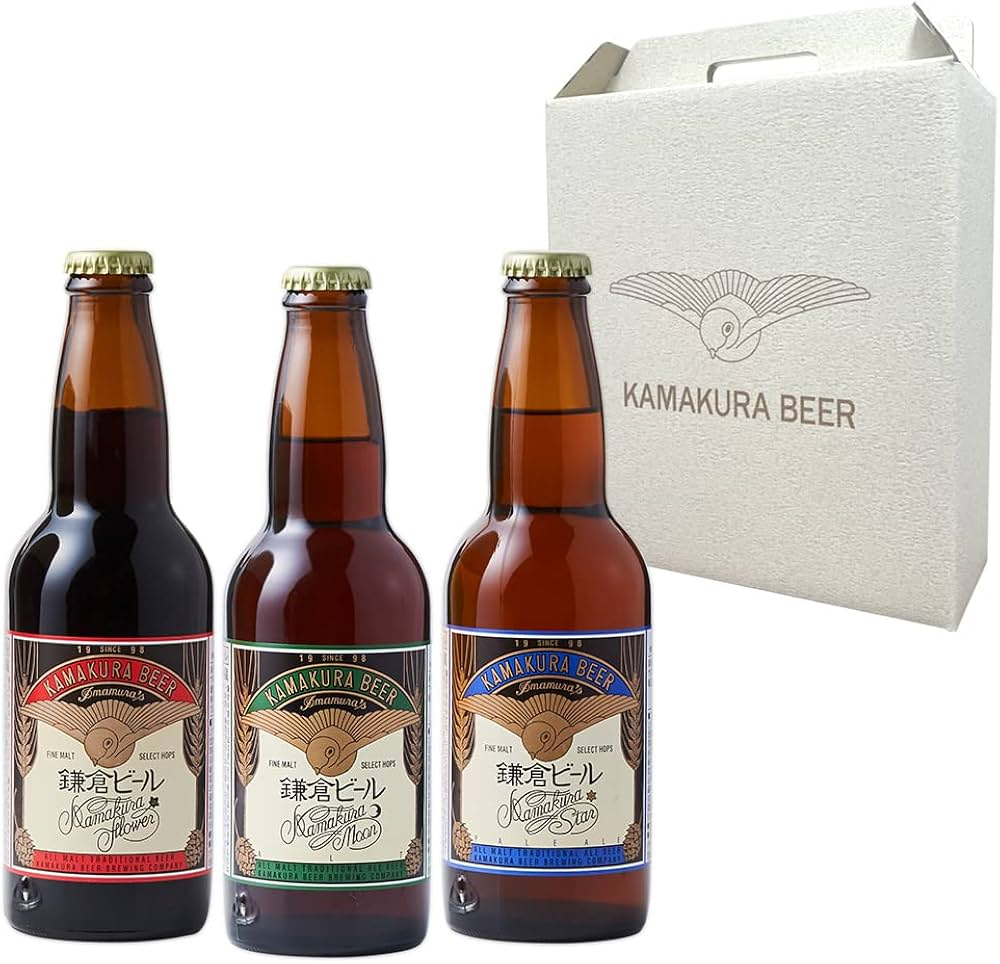
Kamakura beer is a small local craft brewery. You’ll find their pale ale and stout in most casual restaurants along Komachi-dori.
Practical Tips That Actually Matter
Cash. Smaller temples (Hokoku-ji’s tea house, some bus drivers, ¥400 entrance fees) often don’t take cards. Withdraw ¥10,000 before you leave Tokyo. Convenience-store ATMs at any 7-Eleven inside Kamakura Station work fine if you forget.
Shoes. You’ll do 15,000–20,000 steps minimum. Wear shoes you’d hike in, not the ones you wear around Tokyo. Some temple halls (notably the Kannon hall at Hase-dera) require you to remove shoes — easy slip-ons help.
Toilets. Every temple has them, generally clean and free. The one inside Kamakura Station is the best-stocked option for the start of the day.
Coin lockers. Coin lockers are available at Kamakura Station (medium ¥400, large ¥600). Stash anything you don’t want to carry up Kencho-ji’s stairs.
Weather. Kamakura is on the coast and gets actual sea wind. In winter, layer up — it feels 3–5 degrees colder than Tokyo by Inamuragasaki at sunset. In summer it’s brutally humid and there’s not much shade between temples.
JR Pass holders: Your pass covers the trip from Tokyo to Kamakura but does not cover the Enoden. Buy the Noriorikun pass separately.
Photography at temples: Inside main halls is almost always forbidden. Outside is almost always fine. Hokoku-ji explicitly allows photography in the bamboo grove. Don’t use tripods at the Great Buddha — staff will stop you politely but firmly.
Where Kamakura Fits in a Longer Trip
If you have two days, the obvious add-on is Enoshima — the small island at the western end of the Enoden line. It has caves, a shrine complex on a hill, observation tower views, and sunset that’s genuinely worth staying for. Combining Kamakura + Enoshima into a slow two-day trip with one night at a Kamakura ryokan is one of my favorite slow-travel options near Tokyo.
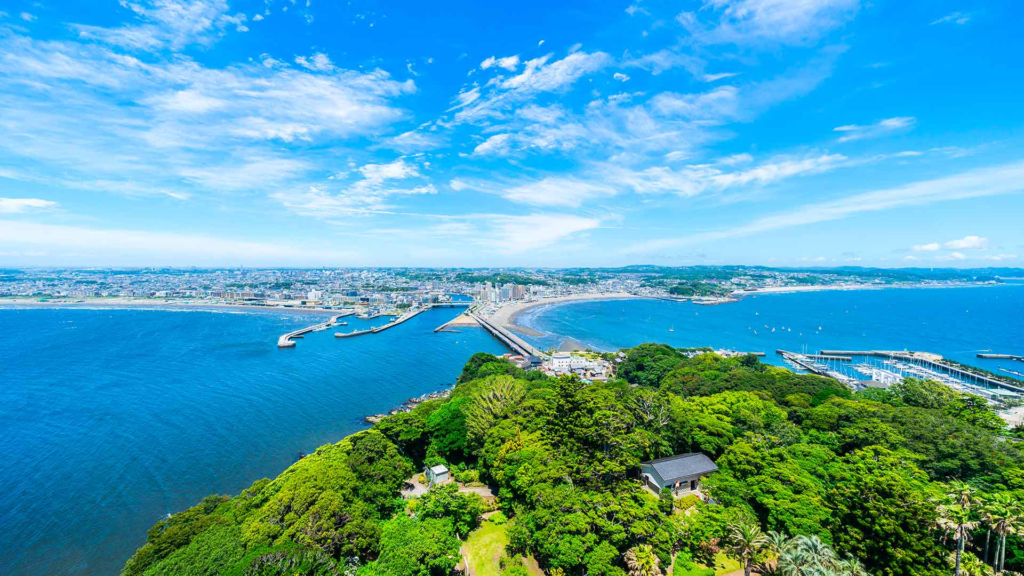
If you’re choosing between Kamakura and Nikko, the honest answer is: do Kamakura on a one-day trip and Nikko only if you can give it two days. Nikko deserves the overnight; Kamakura genuinely doesn’t.
If you’re choosing between Kamakura and Hakone, do Kamakura if you want history and temples, Hakone if you want onsen and Mt. Fuji views. They’re completely different days.
Final Thoughts
Kamakura is the rare day trip that delivers on every reason you came to Japan in the first place — historic temples, vintage trains, coastal scenery, careful food, and quiet moments that don’t feel manufactured for tourists. The town isn’t trying to be charming; it just is.
Give it a full day, start early at Kita-Kamakura, and don’t skip Hokoku-ji. Everything else, you can improvise.
Have a question about your Kamakura day trip? Drop it in the comments below — I answer everything personally.
Discover more from Japan Insider Guide
Subscribe to get the latest posts sent to your email.
