The New Year season in Japan is not just a single day of celebration. It is a deeply meaningful period that blends tradition, family values, spiritual reflection, and a slow return to everyday life. Unlike the loud countdown parties common in many countries, Japan welcomes the New Year quietly, thoughtfully, and with a strong connection to customs that have existed for centuries.
From late December preparations to the calm rhythm of January, this period reveals a lot about Japanese culture, priorities, and mindset.
The Importance of New Year in Japanese Culture
In Japan, New Year, known as Oshōgatsu, is the most important holiday of the year. It is treated as a time for renewal, gratitude, and starting fresh. Many businesses close, families gather, and people pause their busy routines to reflect on the past year and prepare themselves mentally and spiritually for the next one.
Unlike countries where New Year’s Eve takes center stage, in Japan the focus is mostly on New Year’s Day and the days that follow.
How Japanese People Prepare Before the New Year
In the final days of December, households across Japan take part in ōsōji, a thorough end-of-year cleaning. This is more than just tidying up. It symbolizes removing bad luck, unfinished business, and negative energy from the previous year.
Homes are decorated with traditional New Year ornaments placed at entrances and doorways. These decorations are believed to welcome good fortune and invite deities associated with prosperity and health.
At the same time, people settle debts, finish work obligations, and send New Year greeting cards called nengajō. These cards are carefully timed to arrive on January 1st, reflecting the Japanese attention to detail and etiquette.
New Year’s Eve: A Quiet and Meaningful Night
On December 31st, most Japanese families spend the evening at home. Television programs feature music, countdown shows, and traditional performances. Just before midnight, many people eat toshikoshi soba, long buckwheat noodles that symbolize longevity and the smooth transition from one year to the next.
As midnight approaches, Buddhist temples ring their bells 108 times. This ritual represents the removal of worldly desires, helping people enter the New Year with a clear and calm heart.
New Year’s Day: Family, Food, and First Shrine Visit

January 1st is a national holiday and one of the few days when nearly everything closes. Families gather to share special New Year dishes known as osechi ryōri. These foods are prepared in advance and each item carries symbolic meaning, such as health, happiness, or success.
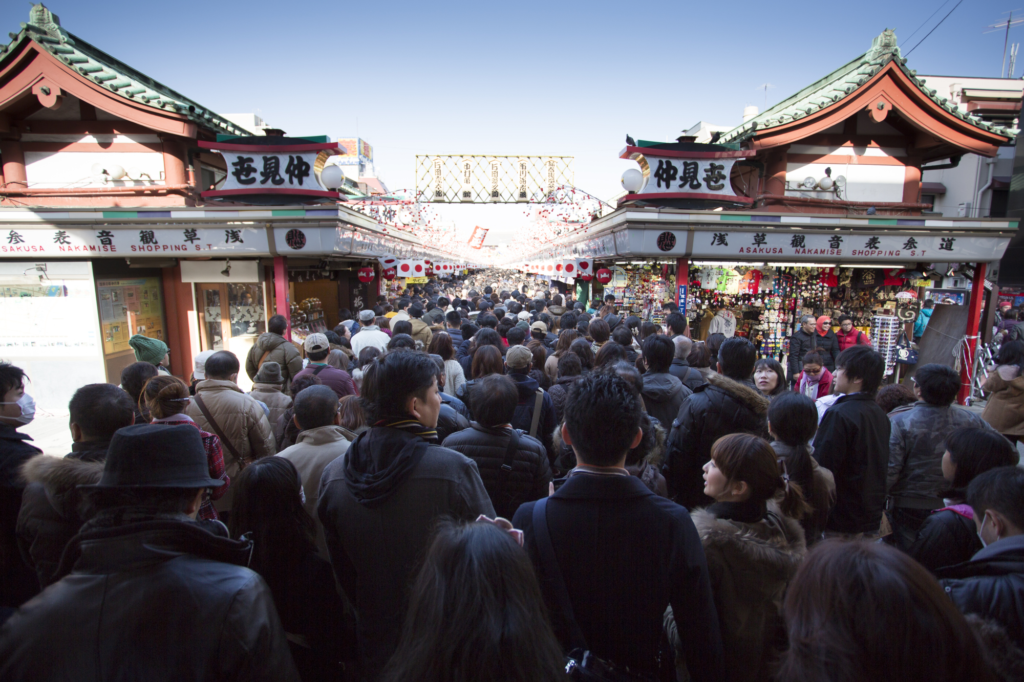
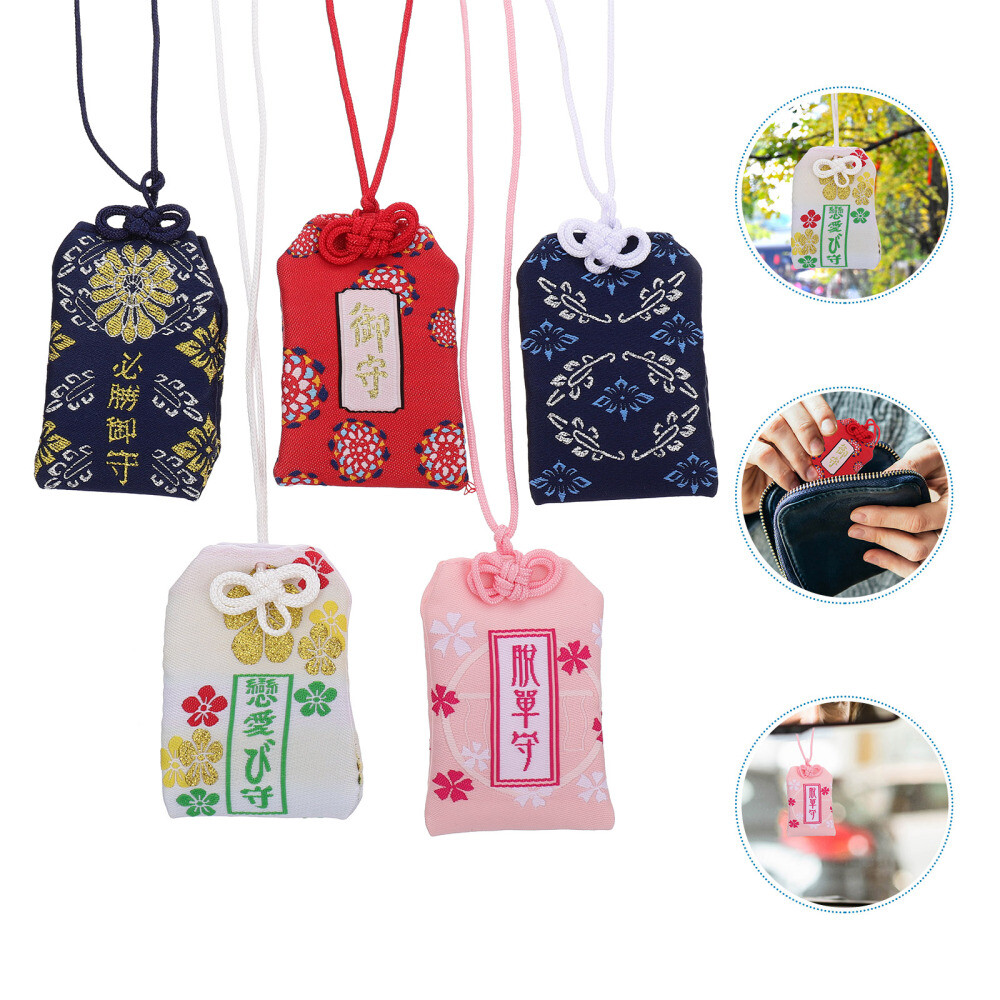
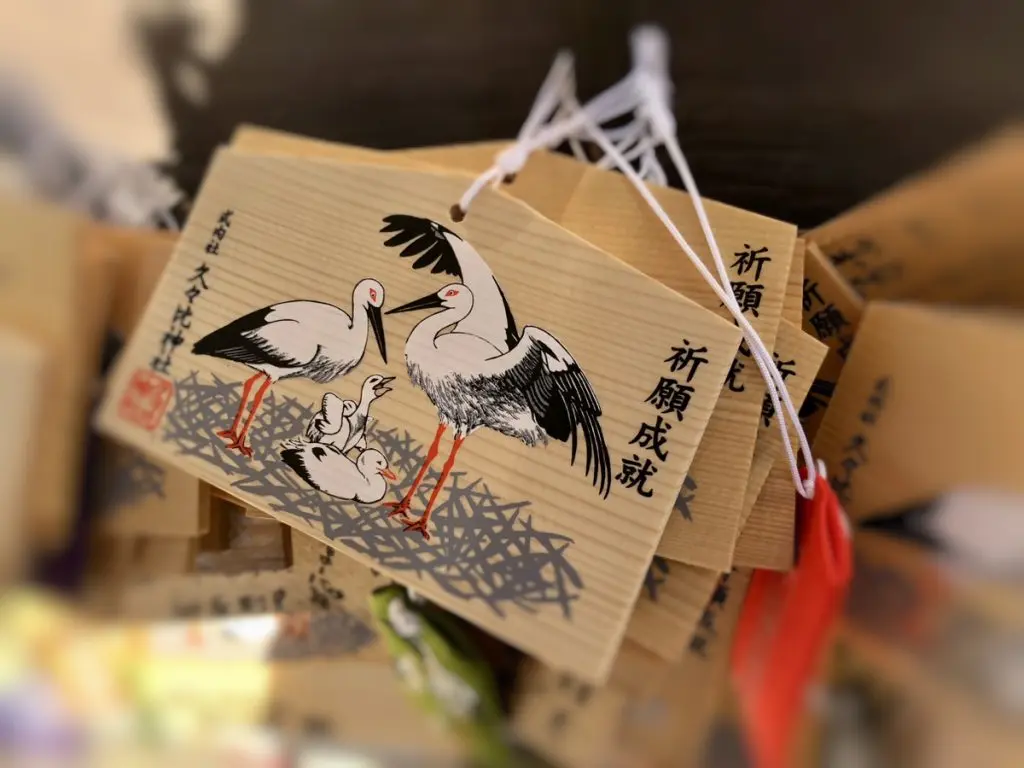
One of the most important traditions is hatsumōde, the first shrine or temple visit of the year. People pray for good health, success, and safety. Shrines become lively but respectful spaces filled with families, couples, and friends lining up to make offerings.

Children often receive otoshidama, small envelopes containing money from parents and relatives. For many children, this is one of the most exciting parts of the New Year.
The First Week of January: Slow and Reflective
The first few days of January are intentionally slow. Many companies remain closed until January 3rd or later. People visit relatives, relax at home, watch television, read books, and enjoy the calm atmosphere that rarely exists during the rest of the year.
This period allows people to mentally reset. It is common for Japanese people to reflect on personal goals, health, and work ambitions during this quiet time.
Returning to Work and School
After the first week, daily life gradually resumes. Companies often hold a formal first workday gathering where managers and employees greet each other and reaffirm goals for the year. Schools also reopen around this time, marking a return to structure and routine.
January in Japan is not rushed. Even after work resumes, the overall pace remains gentler compared to other months.
Seasonal Events and Lifestyle in January
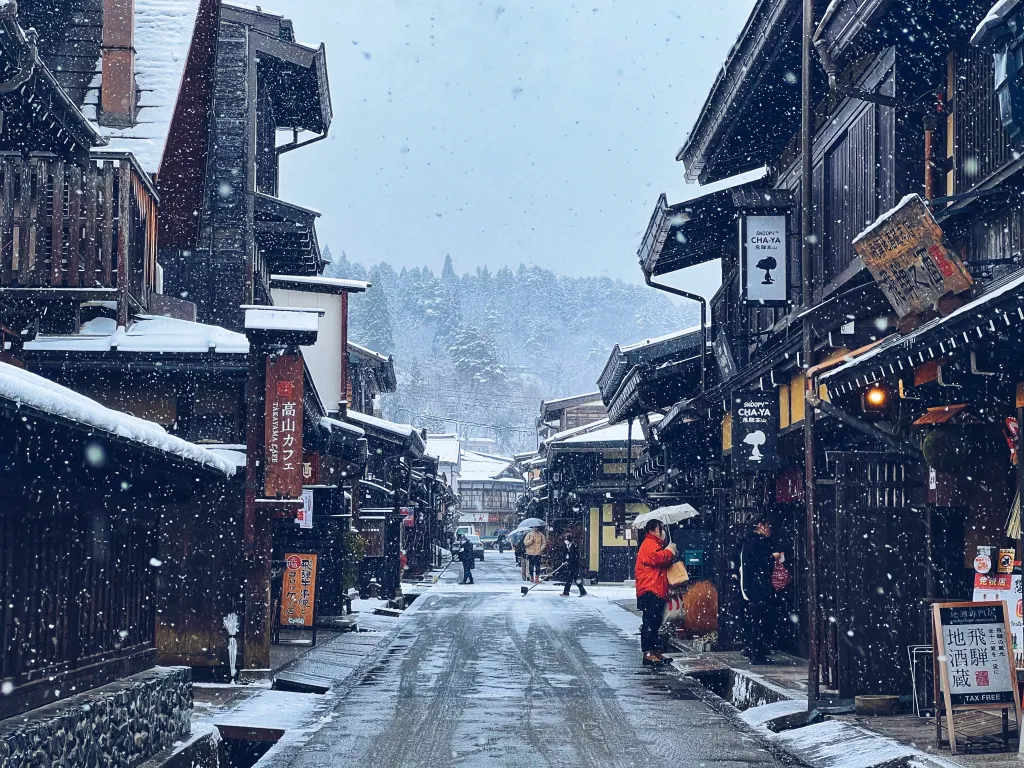
January is one of the coldest months in Japan, and lifestyles adjust accordingly. People enjoy seasonal foods, warm drinks, and hot baths. It is also a popular time for visiting hot springs, as they provide both physical warmth and relaxation.
Some regions host local festivals, fire ceremonies, or traditional performances tied to prayers for a good harvest and community well-being.
A Month Focused on Renewal
What makes January in Japan unique is the mindset behind it. Rather than chasing productivity immediately, people prioritize mental clarity, family bonds, and a sense of gratitude. New beginnings are approached with patience and intention.
This slower, more reflective approach is a reminder that rest and renewal are not wasted time, but essential foundations for a successful year ahead.
Why This Period Matters So Much in Japan
The way Japanese people spend New Year and January reflects core cultural values: respect for tradition, harmony, self-discipline, and balance. It is not about grand celebrations, but about meaningful moments and quiet resets.
For visitors or readers interested in Japanese culture, understanding this season offers a deeper appreciation of how daily life, work ethics, and social behavior are shaped throughout the year.
Discover more from Japan Insider Guide
Subscribe to get the latest posts sent to your email.
